Folliculitis is the inflammation or infection of hair follicles. Remember those tiny red bumps popping up on your skin after waxing? They are often caused by bacteria, yeast or even simple irritation.
Waxing pulls hair from the root, which leaves follicles temporarily exposed and more vulnerable to infection. While it’s usually harmless, folliculitis can be uncomfortable, itchy or even painful, especially if left untreated. That’s why knowing what folliculitis is and why it happens helps you take proactive steps to prevent it.
This blog explains how to prevent folliculitis after waxing, wax care tips and some common myths.
Key Takeaways
-
Proper pre-wax preparation is essential.
-
Follow a consistent post-wax care routine for at least 48 hours.
-
Healthy lifestyle habits support healing.
-
Seek professional advice if folliculitis persists or worsens.
Common Causes of Folliculitis After Waxing

Not all bumps are created equal! Understanding what triggers folliculitis post-waxing can save your skin. Some causes include:
-
Open hair follicles: Waxing removes hair from the root, leaving follicles exposed to bacteria.
-
Bacterial contamination: Unclean tools or touching the waxed area with unwashed hands introduces germs.
-
Friction and sweat: Tight clothing, hot environments or exercising immediately after waxing can aggravate the skin.
-
Neglecting post-wax care: Skipping proper cleansing or soothing routines delays healing.
Pro tip: A few simple preventive steps can drastically reduce your risk of developing post-wax bumps.
Pre-Wax Skin Preparation: Step-by-Step Guide
Prepping your skin properly before waxing is like giving it armor against irritation. Here’s how to do it:
-
Gently exfoliate 2-3 days before waxing: Use a mild scrub or exfoliating mitt to remove dead skin and prevent clogged follicles.
-
Cleanse thoroughly: Wash the area with antibacterial soap to remove dirt, oil and bacteria.
-
Avoid irritating products: Skip retinoids, strong acids, or harsh chemical treatments a few days before waxing.
-
Hydrate your skin: Moisturized skin tolerates waxing better and heals faster.
-
Wear loose clothing: Reduce friction to keep skin calm before your appointment.
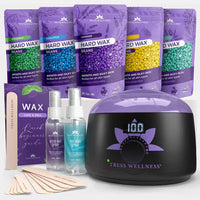
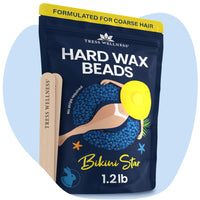
This simple routine can significantly lower your chances of post-wax folliculitis. Using a high-quality waxing kit can make a big difference in preventing folliculitis. The Tress Wellness Starter Waxing Kit is beginner-friendly and designed to be gentle on all skin types.
Also, for a quick & smoother waxing experience, the Tress Wellness Pre-wax & after-wax spray care is a good choice.
Waxing Day Best Practices: Safe and Comfortable Waxing Experience

Waxing is not just about the wax; it’s about the right techniques and environment:
-
Choose the right wax: Hard wax works well for sensitive areas, while soft wax may be better for larger areas.
-
Patch test for sensitive skin: If you have sensitive skin, test a small area first to avoid severe reactions.
-
Check salon hygiene: Make sure the tools are sterilized and the technician follows proper hygiene protocols.
-
Timing matters: Avoid waxing during peak skin sensitivity times (like certain hormonal cycles) unless you follow extra precautions.
Post-Wax Care Routine
The first 48 hours after waxing are crucial. Ensure you follow these steps to heal your skin:
-
Keep the area clean: Gently wash with antibacterial soap twice daily.
-
Don’t touch: Avoid touching, scratching or picking at the waxed area.
-
Loose, breathable clothing: Fabrics like cotton help reduce friction and irritation.
-
Skip the sweat: Avoid gym sessions, saunas or hot baths on the first day.
-
Soothe the skin: Aloe vera gel, chamomile creams or gentle moisturizers help calm inflammation.
-
Spot treatments: If a bump appears, use over-the-counter anti-inflammatory creams for a short period.
Remember: Consistency in post-wax care is what prevents most cases of folliculitis.
Tips for Different Skin Types
Everyone’s skin reacts differently. Here’s how to care for your specific type:
-
Oily skin: Lightweight, non-comedogenic moisturizers to avoid clogged pores.
-
Dry skin: Rich, hydrating creams to prevent irritation and flaking.
-
Sensitive skin: Fragrance-free, soothing products and patch tests before applying anything new.
Lifestyle Habits to Reduce Post-Wax Bumps
Healthy skin goes beyond creams and serums. Consider these everyday habits:
-
Hydration: Drink water to maintain skin elasticity.
-
Nutrition: Vitamins A, C, E and zinc promote skin repair and reduce inflammation.
-
Sleep and stress: Adequate rest helps skin regenerate; stress can trigger breakouts or irritation.
-
Clothing choices: Loose, breathable fabrics reduce friction and heat buildup.
Common Myths About Waxing and Folliculitis

Let’s bust some common misconceptions:
-
Myth 1: Waxing always causes folliculitis.
Not true. Proper pre- and post-care can prevent it.
-
Myth 2: Only sensitive skin gets bumps.
Anyone can develop folliculitis if the skin isn’t cared for properly. -
Myth 3: You can pop or scratch bumps to make them go away.
This increases infection risk. Being informed helps you make better decisions for your skin.
Advanced Treatments: When Home Care Isn’t Enough
If folliculitis persists, professional treatments may help:
-
Use topical antibiotics or antifungal creams as prescribed by dermatologists.
-
Try laser hair removal or chemical peels for recurring folliculitis.
-
Seek medical consultation for severe or painful bumps.
Frequently Asked Questions
Can waxing cause folliculitis immediately?
Yes, bumps can appear within 24-48 hours, especially without proper care.
How long does folliculitis last after waxing?
Mild cases usually resolve within 3-7 days.
Can I prevent bumps at home after waxing?
Absolutely! Pre- and post-care routines, along with lifestyle measures, can reduce the risk of bumps.
Which ingredients should I avoid post-wax?
Retinoids, strong acids, and harsh chemical products may irritate freshly waxed skin.
Conclusion
Preventing folliculitis after waxing involves proper skin preparation, diligent aftercare, and adopting healthy lifestyle habits. By following these guidelines, you can enjoy smooth, irritation-free skin post-waxing. If you have concerns or experience persistent symptoms, consult a healthcare professional for personalized advice.