If you have wax stuck to your skin right now, the fastest and safest fix is to apply a small amount of oil (baby oil, mineral oil or any gentle plant oil), wait for 30–60 seconds, then gently wipe it away with a soft cloth. Afterward, soothe and moisturize the area. This method dissolves the wax without scraping or irritating the skin and it’s the simplest way to remove residue from most wax types.
This blog will explain how to get wax off skin in the safest way, why wax sticks to your skin, prevention tips, post-removal care and more.
Key Takeaways
-
Use gentle oils to remove wax: Baby oil, mineral oil or light plant oils dissolve wax safely.
-
Be patient: Let the oil sit for 30-60 seconds before gently wiping.
-
Avoid harsh methods: Don’t scrape, scrub or use alcohol immediately after waxing.
- Soothe and moisturize: Calm the skin with aloe vera or a fragrance-free moisturizer.
Why Wax Sometimes Stays On Your Skin?
Wax residue is a mix of wax, oils and sometimes added fragrance or color. If wax was applied too hot or in a thick layer or if the strip was pulled incorrectly, small bits can stay behind. Also, wax can cling more if the skin is dry or oily.
Quick Guide: Best Removal Method By Wax Type

These are quick removal methods you can use according to the type of wax applied:
-
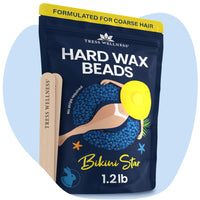
Hard wax (often used for sensitive areas): Apply oil, let it sit for a few minutes and gently rub to lift the residue. For this, the easiest solution is to use the Tress Wellness Pre-wax & after-wax spray care.
-
Soft/strip wax: Soak a cotton pad with oil or a petroleum jelly product, hold for a minute, then wipe.
-
Sugar wax (water-soluble formulas vary): Rinse with lukewarm water first; if residue remains, use oil.
-
Cold wax strips: Use a dedicated wax-remover wipe or oil if wipes aren’t available.
Step-by-Step: Safest Way To Remove Wax Residue
Let’s understand step-by-step how to remove wax from skin. This is one of the safest ways to remove wax residue.
-
Choose a gentle oil: Baby oil/mineral oil, light olive oil, jojoba oil or coconut oil works well. (Avoid strong fragrances or alcohol-based products.)
-
Warm it slightly: Put a small amount in your palms and rub to warm it up. Body temperature oil works better than cold oil.
-
Apply and wait: Press the oil-soaked pad or your palm on the wax area for 30-60 seconds. The oil will soften and dissolve the wax.
-
Wipe gently: Use a soft washcloth or cotton pad and wipe in the direction of hair growth. Do not scrape or pick.
-
Clean and soothe: Wash with a mild, soap-free cleanser and lukewarm water. Gently pat dry the area. Apply a calming, fragrance-free moisturizer or aloe gel. For sensitive areas, use a ceramide moisturizer or an aloe product.
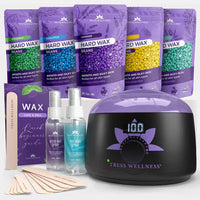
If you’re planning an at-home waxing session, the Tress Wellness Waxing Kit comes with everything you need. From gentle hard wax, pre- and post-care sprays to beginner-friendly tools for a salon-smooth experience right at home.
Which Oils Are Best?
Now that you know how to remove wax from skin, it is also essential to understand which oils are safe to use and where:
-
Safe for body areas: Mineral oil (baby oil), olive oil, coconut oil and jojoba oil are safe for dissolving various wax types. Mineral oil and baby oil are inexpensive and effective; plant oils add moisturizing benefits.
-
Face caution: Coconut oil can clog pores on the face for some people and may aggravate acne-prone skin. If removing wax from the face, prefer mineral oil, micellar water or a non-comedogenic oil like jojoba. Patch-test if unsure.
But if you want quick, easy, hassle-free solution, try Tress Wellness Pre-wax & after-wax spray care.
What NOT To Do: Common Mistakes That Make Things Worse
While removing wax residue, sometimes people make mistakes that can severely harm their skin. Here are some of the common mistakes to avoid:
-
Don’t rub with alcohol or strong astringents right away: Alcohol can sting and further irritate skin that has freshly-opened pores from waxing; it may also delay healing. Instead, use gentle cleansers and soothing moisturizers.
-
Don’t scrape or pick: Scraping can tear the skin and increase the risk of infection or scarring.
-
Avoid hot water or hot baths immediately: Heat can increase inflammation. Use lukewarm water for cleansing.
Sensitive Skin & Acne-prone Skin: Extra Gentle Methods

If your skin is sensitive or acne-prone:
-
Use micellar water or a dedicated oil-cleanser formulated for the face.
-
Avoid heavy, comedogenic oils on the face (e.g., coconut oil may be problematic for acne-prone skin).
-
After removing residue, apply a thin layer of a non-comedogenic moisturizer or a product containing ceramides to support the skin barrier. If you see any signs of infection (increasing redness, pus, severe pain), immediately consult a dermatologist.
Quick Fixes For Stubborn Wax
If oil and wipe don’t fully remove the residue, try these methods:
-
Warm compress: Apply a warm (not hot) damp cloth for 1–2 minutes to soften the wax, then apply oil and try again.
-
Petroleum jelly: Apply a thin layer to the waxed area for 3-5 minutes and wipe it away. It can lift stubborn wax.
-
Commercial wax remover pads/products: These are formulated to dissolve wax and can be helpful for large or stubborn patches.
Post-removal Care
Follow these post-removal care after waxing to keep your skin safe and smooth:
-
Soothe: Use aloe vera gel or a fragrance-free calming lotion. Aloe can help reduce heat and discomfort from minor irritation.
-
Keep it clean: For 24–48 hours, avoid pools, baths, heavy sweating and tight clothing on the area to reduce infection risk.
-
Wait before exfoliating: Don’t exfoliate the waxed area for at least 48 hours (longer if the skin is still red). This helps the skin recover and lowers the chance of ingrown hair.
Pre and Post-wax Tips
-
Prep the skin: Clean and dry the area. If your skin is oily, apply some baby powder.
-
Check temperature and technique: Ensure the wax isn’t too hot and that strips/film are removed quickly and flat to the skin. If DIY waxing, practice on small areas first.
-
Post-wax routine: After a successful, residue-free session, apply a soothing lotion and avoid heavy products with retinol or acids for a few days.
When to See a Professional or a Dermatologist?

If you notice increasing redness, swelling, pain, pus or if bumps persist beyond a few days, you might have folliculitis or an infection. You must immediately see a dermatologist. Waxing can irritate hair follicles and occasionally lead to bacterial infection; early treatment prevents complications.
Frequently Asked Questions
Can I use rubbing alcohol to remove wax?
Not as a first choice. Alcohol stings on freshly waxed skin and can worsen irritation. Use oil-based methods first and reserve alcohol only if a clinician recommends it for a specific concern.
Is baby oil safe for wax residue?
Yes, baby oil or mineral oil is one of the safest, most effective quick options for most body areas.
Will leftover wax cause pimples?
Leftover wax itself isn’t the direct cause of acne, but irritated follicles and bacteria entering open pores after waxing can cause pimples or folliculitis. Proper clean-up and aftercare can reduce this risk.
Summary
Removing wax residue doesn’t have to be painful. The safest way is to use gentle oils like baby oil, mineral oil or coconut oil. Once the wax softens, wipe the area carefully. Remember to avoid harsh scrubbing or alcohol-based products and always apply a gentle moisturizer afterwards. With these simple steps, you can keep your skin smooth, irritation-free and ready for your next waxing session.